

12 Essential Boating Safety Tips
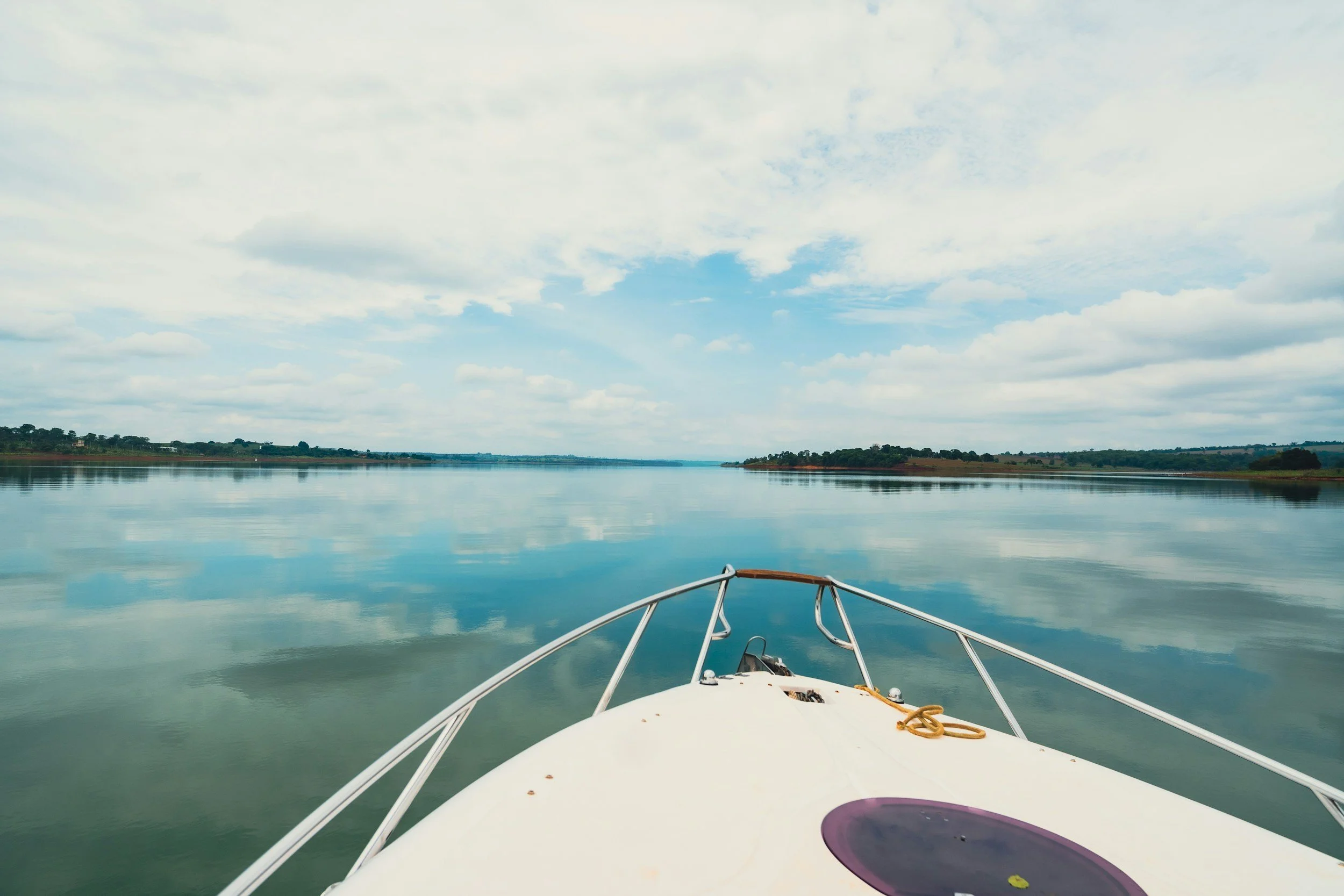
Going out on a boat is a favourite pastime for many Canadians. There’s nothing like being on open water, feeling the sunshine and a refreshing breeze.
But before you head out on the boat alone or with others, you need to know how to boat safely to avoid any accidents or troubles while on the water.
Learn the ropes of operating a boat
What may seem like the most obvious tip isn’t always one that boat owners do from the beginning: Learn about your boat and how to operate it.
In Canada, anyone operating a powered recreational boat generally must carry proof of competency, such as a Pleasure Craft Operator Card (PCOC). Boating education teaches safe operation, navigation rules and emergency procedures. Since boating is more than knowing how to steer, shift gears, slow down and dock, a required boating class teaches safety techniques and waterway laws. And of course, you’ll need to know how to operate your specific boat model before you take it out.
Inspect your boat
Before starting the boat, make sure the mechanics are in working order. If you hear any strange sounds or noises that are louder than normal, find out what’s causing them. Check that your life jackets, fire extinguisher, and emergency supplies are on the boat and easily accessible.
Check the weather
Weather can significantly impact water conditions, so check the forecast before leaving the dock. If the forecast calls for strong winds, rain or storms, stay off the water. All of these factors can make a boating experience dangerous.
Wear life jackets
Everyone on board should have a properly fitting, Transport Canada-approved lifejacket or personal flotation device (PFD), and wearing it at all times is strongly recommended—not just when participating in activities like tubing or wakeboarding. That’s because these activities are done at high speeds and can cause injury. Even if you’re planning a casual, quiet float on the water, have a life jacket for each person on board. Weather and water conditions can change quickly.
Don’t drink and drive a boat
Drinking while driving a boat isn't just illegal; it's also extremely dangerous. In fact, it's so dangerous that it is a criminal offence to operate a watercraft under the influence of drugs or alcohol.
Drugs and alcohol significantly affect motor skills, judgment and reaction time. None of these should be impaired when operating a boat.
Boating under the influence can lead to deadly accidents, expensive fines and even jail time.
Check your surroundings
Enjoying the view of the water and the surrounding area makes boating a great experience. But staying aware of your surroundings and what’s in the water is still critical.
Look out for debris in the water, other boats coming too close, people on skis or tubes, and other motorized watercraft, such as jet skis.
Don’t leave any passenger behind
Boating can be full of distractions, from conversations and music on board to and noise from other boats. Always check that your entire party is safely aboard before pulling away from the dock. When taking part in water sports like tubing, swimming and wakeboarding, make sure everyone in the water returns to your boat before you leave.
Understand the ways of the water
Just like on land, there are rules for maneuvering in the water with other boats. Understand navigation rules, right-of-way, buoy markers, speed restrictions and local no-wake zones before heading out. It’s important to know which boat has the right of way, where you can and can’t stop, the speed in the wake zone, and more. Understanding the rules of water will keep you and others safe.
Put together safety and toolkits
Be prepared for any event before taking off in the boat. Make sure your boat carries all Transport Canada-required safety equipment, along with additional items such as a first-aid kit, flashlight, basic tools and emergency supplies. Know who to call in an emergency.
To learn more, follow the link to read Transport Canada’s Safe Boating Guide.
Know where you are
Make sure you know where you are and how to get back to your original destination at all times. Even if you do get lost, you need to be able to tell others where to find you.
Turn off the engine and remove the key before anyone enters the water near the boat.
Before entering, exiting or swimming near the boat, turn the engine off. Once the engine is off, the motor and fast-moving propellers won’t be able to injure anyone who accidentally gets too close.
Follow the rules
Always set and enforce safety rules for your passengers. If someone refuses to follow basic safety rules, return to shore before continuing your trip.
The memories you make boating with your family and friends can last a lifetime. While you’re working on getting your boat ready for the water, check in with us. Finding the right protection for your boat can provide peace of mind, knowing that your big investment is carefully insured.
Have Questions?
If you would like to learn more or get a marine insurance quote, contact Doner-Horsley Insurance Brokers today at info@donerhorsley.ca or 705-435-3891. You can also visit our Marine Insurance page for more details. We’re here to help you understand your options and ensure you have the protection that’s right for you.